
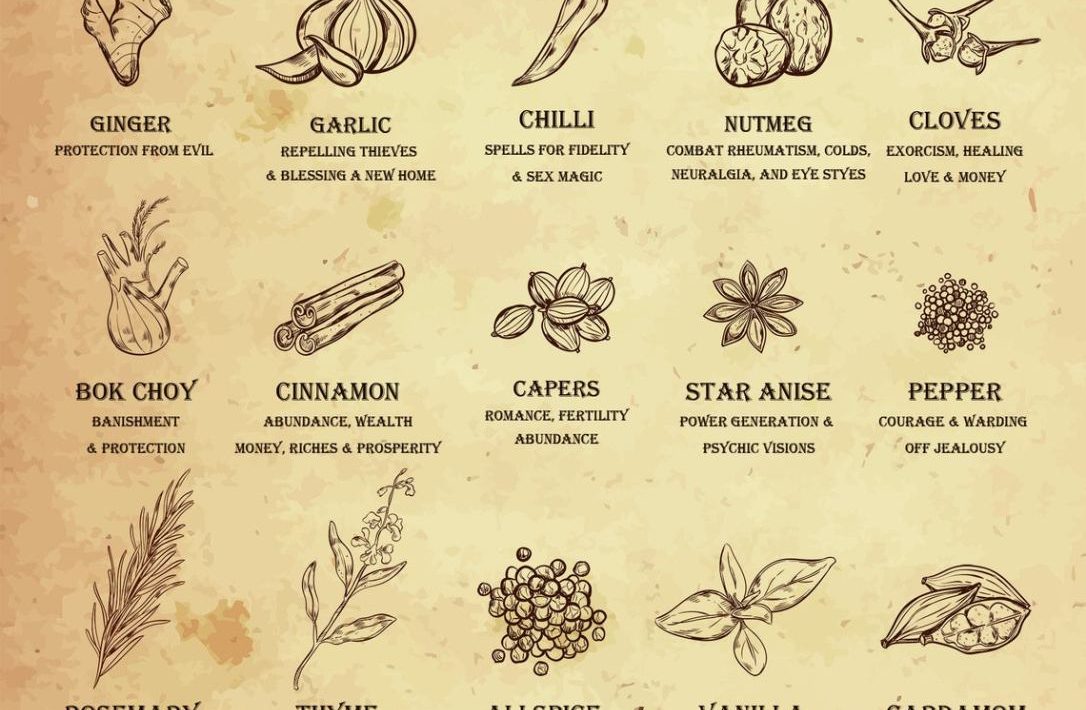
Hello, and let’s embark on a fascinating journey through the mesmerizing realm of magical plants together. Throughout history, many cultures have revered an array of plants, especially herbs and flowers, attributing to them mysterious, magical, or spiritual properties. This article will provide a comprehensive list of magical plants and delve into the most magical plants, focusing on magical herbs plants and enchanting flowers. Whether you’re already a plant enthusiast or just starting your botanical journey, there’s much to discover about these exceptional elements of our natural world.
Table of Contents
Stepping Into the Mystical World of Magical Plants
When we talk about magical plants, we’re venturing beyond the boundaries of traditional botany. This realm embraces flowers and herbs that various cultures have traditionally esteemed for their mystical, spiritual, or healing significance. Many societies throughout history, and even today, hold firm beliefs in the power of these plants. Some trust in their ability to ward off evil, similar to spiritual armor. Others harness their supposed energies to attract good fortune, almost like natural good luck charms. In some cultures, they even have the reputation of mending broken hearts, acting as botanical band-aids for the soul.
But, we should to remember that the interpretations and uses of these plants can be as diverse as the cultures that use them. For example, a plant considered lucky in one culture might not hold the same significance in another. This diversity is part of what makes the study of magical plants so fascinating. It’s not just about understanding the plants themselves but also about gaining a deeper appreciation of the rich tapestry of beliefs and practices that surround them for better exploring human culture, history, and the deep-rooted connection between humans and nature.
Exploration of Magical Flowers
The magical allure of flowers stretches beyond their physical beauty, reaching into a realm filled with rich symbolism and profound spiritual significance. Let’s look a bit closer at these colorful emissaries of the natural world.
Take roses, for instance. While their vibrant hues and intoxicating aroma easily capture attention, their magic runs deeper. They are often seen as powerful symbols of love and passion, featuring heavily in art, literature, and age-old customs centered around romance.
Next, consider lavender with its delicate blossoms and soothing scent. This flower isn’t merely a favorite for perfumes and skincare; it’s also long been considered a beacon of tranquility. Many use it to usher in an atmosphere of peace and harmony, either through oils, dried bouquets, or even in culinary creations.
Calendula, too, has its own magical charm. This sun-colored flower is associated with protection and prosperity, a bright guardian that many believe can usher in positive energy and ward off negativity.
Among these floral wonders, one flower stands out with its unique story – the Rhododendron. Its vibrant and enticing blooms may captivate the eyes, but its true mystery lies in its nectar. When bees partake in this sweet offering, the honey they produce – often called red or mad honey with grayanotoxins. While this peculiar honey has been used medicinally in some cultures, it also comes with its risks, serving as a reminder of nature’s duality. It underscores that nature, in all its beauty and bounty, also harbors elements of danger and caution.
Here’s a brief list of a few more magical flowers that might capture your interest:
Jasmine: Renowned for its intoxicating scent, it is often associated with love and spiritual wealth.
Lotus: A symbol of purity and spiritual awakening in many Eastern cultures.
Sunflower: Symbolizes adoration, loyalty, and longevity.
The world of magical flowers is as fascinating as it is diverse. Each flower, with its unique qualities and stories, adds a colorful thread to the tapestry of human culture and spiritual practices. These blossoms are proof of nature’s vibrant array of symbolic expressions.
Journey through Enchanting Magical Herbs
Just like flowers, herbs have their own special place in the world of magical plants. Their potency often lies not just in their medicinal properties, but also in their symbolic meanings and uses in various spiritual practices.
Sage. Known for its unique, potent scent, sage has been a staple in purification rituals for centuries. Its smoke, when used in smudging ceremonies, is believed to cleanse spaces and drive away negative energies.
Mint – a herb that’s as delightful in a summer cocktail as it is in a prosperity ritual. Its bright, refreshing scent is symbolic of abundance and growth, making it a favorite in many traditions for inviting prosperity and success.
Rosemary is another herb that stands out for its symbolic importance. With its invigorating fragrance, rosemary is often associated with remembrance and friendship. It’s not uncommon to see rosemary sprigs at weddings or funerals, acting as a poignant reminder of the enduring nature of relationships.
But these are just a few examples. The world of magical herbs is vast and varied, each with its unique set of properties. Here are other magical herbs you can put your attention to:
Chamomile: Associated with tranquility and purification, it’s often used in teas to promote calm and harmony.
Basil: Often linked to protection and wealth, it’s a popular choice for inviting prosperity and warding off negative energies.
Thyme: Believed to enhance psychic abilities and healing, it’s often included in rituals involving the mind and body.
Each magical herb in our list has been interwoven with human history and spiritual practices in profound ways. It’s a reminder of how closely interconnected the human journey is with the world of plants.
The Role of Magical Plants in Healing Practices
Peeling back the layers of symbolism and spiritual implications, we find yet another facet of magical plants—their role in healing. Their presence isn’t confined to mystical practices or lush gardens; it extends to the heart of traditional medicine systems all around the globe.
People have looked to plants for remedies, healing, and health since the dawn of human civilization. Whether it’s a calming chamomile tea to soothe a restless mind or a sage smudge to cleanse a space, these magical plants have been harnessed for their healing properties to treat a plethora of ailments. And this ancient wisdom hasn’t faded; it has been passed down generations, still resonating in our modern world.
Interestingly, many of our contemporary medicines can trace their lineage back to these plant-based remedies. Dig deep into the formulation of various medicines, and you’ll likely find a connection to a plant or herb that was once (and probably still is) considered ‘magical’ due to its curative abilities. This connection underscores not only the importance of these plants in healthcare over the centuries but also the extensive knowledge our ancestors had about the natural world.
Magical Plants in Modern Day Practices
As we journey from the historical tapestry to the present day, the enchantment of magical plants remains undiminished. They’ve found a place in modern spiritual practices like witchcraft and new age traditions, seamlessly merging ancient wisdom with contemporary life. From crafting herbal amulets for protection to brewing calming chamomile tea for relaxation, or creating lavender dream pillows for peaceful sleep, these plants continue to weave their magic into our daily rituals.
For those seeking to tap into this ancient wisdom, there’s a myriad of ways to incorporate these magical plants into your own life. Cultivate a herb garden imbued with a selection of these magical herbs, or let magical flowers breathe life and color into your surroundings. A lavender-infused lotion might serve as a token of peace in your skincare routine, while a potted mint plant in your kitchen could symbolize abundance. The avenues to explore are as rich and diverse as the magical plants themselves, adding a touch of mystique and an echo of centuries-old wisdom to our modern-day practices.
Conclusion
Magical plants, encompassing an array of magical herbs and their uses, along with a variety of flowers with magical names and appearances, have shaped human history and culture in profound ways. As we delve into understanding their magic, we also deepen our connection with the natural world and rediscover the wisdom our ancestors had learned. The exploration of the most magical plants is an enchanting journey that offers not only knowledge but also a greater appreciation of the beauty and mystery that surrounds us.