
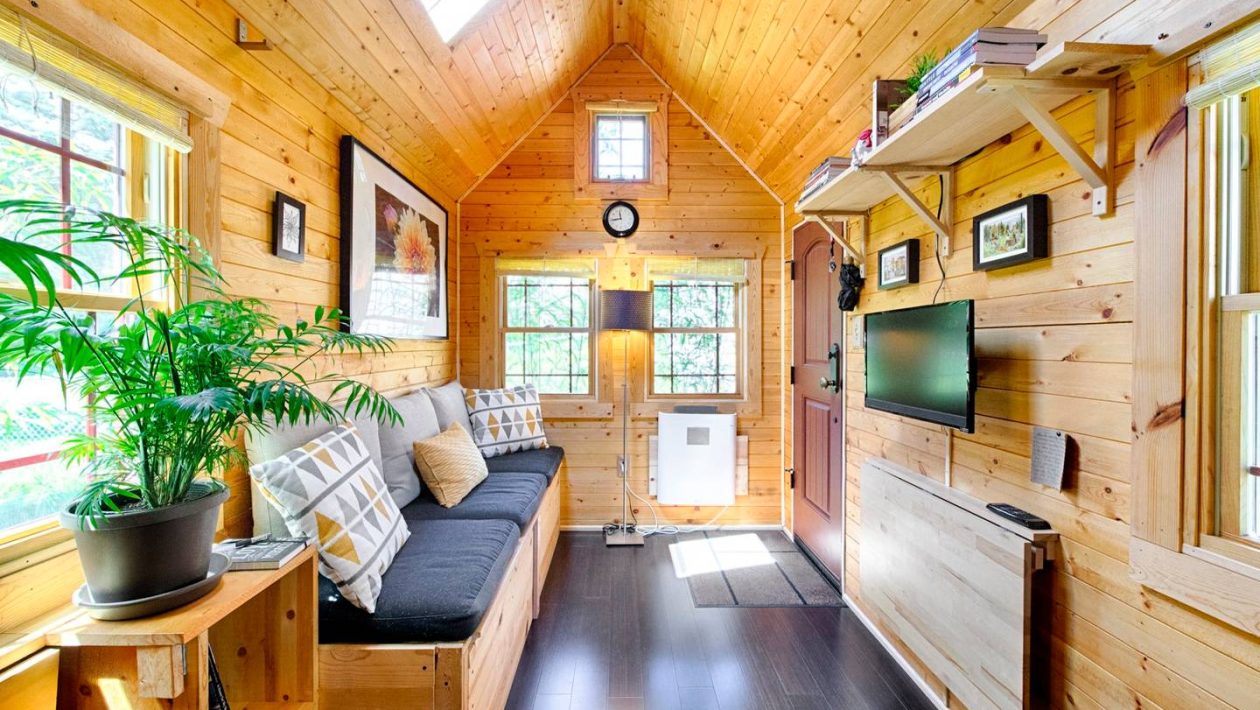
Building and living in a tiny home can be an exciting and rewarding experience, but it comes with its own set of challenges and considerations. Whether you’re downsizing, seeking a minimalist lifestyle, or simply exploring an affordable housing option, there are some essential do’s and don’ts to keep in mind. Here’s a guide to help you navigate the journey to your perfect tiny home.
Table of Contents
Do: Plan Thoroughly
One of the most critical steps in creating a tiny home is thorough planning. This involves:
- Understanding Your Needs: Identify what you absolutely need in your living space. This might include a full kitchen, a home office, or storage for specific items.
- Designing for Functionality: Every square inch counts in a tiny home. Ensure that your design maximizes functionality. Think about multi-purpose furniture, built-in storage, and space-saving solutions.
- Researching Regulations: Check local building codes and zoning laws. Some areas have specific regulations for tiny homes, especially concerning mobile home skirting, which is essential for stability and insulation.
- Budgeting Wisely: Plan your budget carefully. Factor in materials, labor, permits, and unexpected expenses. Tiny homes can be cost-effective, but costs can add up quickly without careful planning.
Don’t: Overlook the Importance of Mobile Home Skirting
Mobile home skirting is a crucial aspect of tiny home construction, particularly for homes on wheels. Skirting helps with:
- Insulation: Proper skirting helps maintain a stable temperature inside your tiny home by reducing heat loss in winter and keeping cool air in during summer.
- Pest Prevention: Skirting acts as a barrier to keep pests and rodents from getting underneath your home.
- Aesthetics: A well-installed skirt enhances the overall look of your tiny home, giving it a finished appearance.
Skipping this step can lead to higher energy bills, potential pest problems, and a less polished look for your home.
Do: Maximize Storage
Storage is one of the biggest challenges in tiny home living. Here are some tips to help you make the most of your space:
- Use Vertical Space: Think upwards when it comes to storage. Install shelves, cabinets, and hooks on your walls.
- Multi-Functional Furniture: Opt for furniture that doubles as storage, such as beds with drawers underneath or benches with hidden compartments.
- Declutter Regularly: Living in a tiny home requires you to be intentional about what you keep. Regularly declutter to ensure you only have items you truly need and love.
Don’t: Skimp on Quality
When building a tiny home, it’s tempting to cut costs by using cheaper materials. However, this can lead to problems down the line:
- Durability: Quality materials last longer and withstand wear and tear better than cheaper alternatives.
- Safety: Using substandard materials can compromise the safety of your home, particularly in essential areas like the structure, plumbing, and electrical systems.
- Maintenance: Higher quality materials often require less maintenance, saving you time and money in the long run.
As the saying goes, “You get what you pay for.” Investing in quality materials will pay off in the long term.
Do: Focus on Sustainability
Tiny homes offer a unique opportunity to live more sustainably. Here’s how you can make your tiny home eco-friendly:
- Energy Efficiency: Use energy-efficient appliances and lighting. Consider solar panels for renewable energy.
- Water Conservation: Install low-flow fixtures and consider a rainwater collection system.
- Sustainable Materials: Choose eco-friendly materials like reclaimed wood, bamboo, and recycled metal.
- Waste Management: Plan for effective waste management, including composting and recycling systems.
Living sustainably not only benefits the environment but can also reduce your utility bills and overall living expenses.
Don’t: Ignore Your Lifestyle Needs
It’s essential to design your tiny home to fit your lifestyle. This means considering your daily routines, hobbies, and long-term needs:
- Daily Activities: Ensure your home accommodates your daily activities comfortably. This includes having enough space for cooking, working, and relaxing.
- Future Needs: Think about your future needs. Will you need more space for a growing family or accommodate changes in mobility as you age?
- Personal Touches: Make your tiny home feel like your own by incorporating personal touches. This could be through décor, color schemes, or custom-built features that reflect your style and personality.
Do: Embrace the Community
Living in a tiny home often means joining a community of like-minded individuals. Here’s how to connect with others:
- Online Forums and Groups: Join online communities where you can share experiences, ask for advice, and find support.
- Local Meetups and Workshops: Attend local events to meet other tiny home enthusiasts and learn new skills.
- Community Living: Consider living in a tiny home community where you can share resources and build strong relationships with your neighbors.
“Living in a tiny home isn’t just about the house; it’s about the lifestyle and the community that comes with it,” says Jane Smith, a tiny home resident.
Conclusion
Building and living in a tiny home can be a fulfilling experience if you approach it with the right mindset and preparation. Remember to plan thoroughly, prioritize quality, and design with your lifestyle in mind. Don’t overlook essential aspects like mobile home skirting, which plays a crucial role in the functionality and appearance of your home. By following these do’s and don’ts, you’ll be well on your way to enjoying the benefits of tiny home living.