
Seam puckering is a problem in garments. It makes the cloth look pulled, wrinkled or uneven near the line. Even if the fabric is good and the design is nice puckering can ruin the look. A shirt may look old. Worn out. A dress may not fit well. A trouser seam may look rough and ugly. This small problem can make a difference in how the garment looks.
Many people think that seam puckering only happens because of a problem with the sewing machine.. That is not entirely true. Puckering can happen because of the fabric, the thread the needle, the stitch setting or because of handling during sewing. In cases the choice of thread plays a very big role in preventing puckering.
Let us understand it in a way.
Table of Contents
What is seam puckering?
Seam puckering means that the fabric around the seam does not stay flat. It becomes wavy, tight or gathered. This can happen on fabric, heavy fabric and even stretch fabric. Sometimes it is seen after stitching and sometimes it appears after washing or ironing.
When the seam is smooth the garment looks neat and clean.. When the seam puckers the garment looks poor in quality. That is why this issue is very important for people who make garments.
Main causes of seam puckering
There is not one reason for seam puckering. There can be reasons.
- Wrong thread tension
If the thread tension is too high it pulls the fabric much. Then the fabric starts gathering near the seam. This is one of the common reasons for puckering. Tight thread makes the seam hard. The cloth cannot relax.
If the tension is balanced well the seam stays better and smoother.
- Thread type
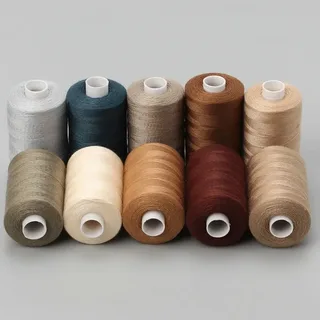
This is where many people make a mistake. Not every thread is right for every fabric. If the thread is too thick for fabric it can create pressure on the seam. If the thread has flexibility it may not move well with the fabric. Then puckering starts to show.
For example light and delicate fabric needs a thread that’s smooth, fine and suitable for that fabric weight. Example: trilobal polyester thread.
Flame-resistant sewing thread for protective clothing.
- Fabric shrinkage and thread shrinkage difference
Sometimes the fabric and the thread do not behave the same after washing or pressing. The fabric may shrink more. The thread may shrink more. This difference can pull the seam line. Create puckering.
This is very common in garments that go through washing, steam or heat finishing.
- Wrong stitch density
many stitches in one inch can also cause puckering. More stitches mean needle holes and more pressure on the fabric. On thin fabric this can create a gathered look.
Less or correct stitch density usually gives a result depending on the fabric type.
- Needle damage
If the needle is wrong, blunt or too large it can damage the fabric while stitching. Damaged yarns in the fabric may not sit flat later. Then the seam starts looking rough and puckered.
A proper needle works smoothly. Does less harm to the cloth.
- Feeding problem in the machine
Sometimes the top layer and the bottom layer of fabric do not move equally during sewing. One layer may stretch more. One may stay back. This uneven feeding creates seam distortion. After sewing puckering becomes visible.
- Fabric property itself
Some fabrics are more sensitive. Lightweight cotton, rayon, silk-like fabric, satin and some blended materials can pucker easily. Stretch fabrics also need care. These fabrics need the sewing setup from the start.
How the right thread helps prevent seam puckering
The thread is not a small sewing item. It has a job. It must hold the seam move with the fabric and stay stable during use and washing. When the right thread is used the chances of puckering become much lower.
- Right thread thickness reduces fabric stress
A thread that matches the fabric weight helps a lot. Fine fabric needs thread. Medium and heavy fabric can handle thicker thread. When the thread size is right there is less pull on the seam. The fabric stays more relaxed.
- Smooth thread gives stitches
A smooth thread passes well through the machine, needle and fabric. It creates stitches and reduces friction. Less friction means drag on the cloth. This helps the seam stay flat.
- Low shrinkage thread keeps the seam
Good quality thread with controlled shrinkage is very useful. If the thread does not shrink much after washing or heat the seam shape remains better. This helps avoid -wash puckering.
- Flexible thread moves with the fabric
Garments move all day. Fabric bends, stretches and folds. If the thread is too stiff it resists this movement. Then stress comes on the seam area. A flexible thread adjusts better. Supports a smoother seam.
- Consistent thread quality improves sewing performance
Uneven or poor quality thread can create tension during stitching. One area may pull more and another less. This gives a seam look. A quality thread runs evenly and gives better control.
Ways to reduce seam puckering
Along with the right thread some sewing practices also help:
* Match the thread size with the fabric type
* Use the needle size
* Keep the thread tension balanced
* Avoid many stitches per inch
* Test the fabric and thread before bulk production
* Check shrinkage before final sewing
* Make sure the machine feeding is proper
Even a small trial, on sample fabric can save big trouble later.
Final thought
Seam puckering may look like an issue but it can affect the whole garment appearance. It reduces the overall product appeal. The good thing is that this problem can be controlled.
The right thread can make a difference. It helps reduce stress on the fabric improves stitch formation supports smooth seam appearance and keeps the garment looking even after use. When the thread, fabric, needle and machine settings work together the seam becomes neat and clean.
In garment making small details matter a lot. The thread is one of those details that should never be ignored. Right sewing thread along with the right sewing practices can solve the problem of Seam puckering and thereby make your garments look better and last longer.